






Buying a Franchise with No Business Experience: A UK Guide
No business degree? No track record? You can still own and run a successful UK franchise. Here's the realistic step-by-step.
Buying a franchise in the UK when you have no business experience can feel like a huge gamble. The good news: you don't need to be an expert to become a successful franchisee. By choosing a proven brand, following its system, and using the training and support on offer, you can replace guesswork with clear guidance - step by step.
Key Takeaways
- Franchising suits beginners. You follow a proven model instead of starting from scratch, and you get help at each main step.
- You can start with no business experience. Training, manuals, and ongoing support teach you what to do - practical business skills build over time.
- Funding options are accessible. Combine bank franchise loans, government Start Up Loans, franchisor finance, asset finance, and savings. Keep working capital aside.
- Careful choice matters more than speed. Match your strengths, budget, and lifestyle to each offer. Check local demand using data and real-world research before signing.
- Legal and regulatory basics are manageable. A BFA-affiliated solicitor and franchisor guidance get you through without being a legal expert.
Why It's More Achievable Than You Think

Buying a franchise with no business experience is realistic because the whole model is built to guide beginners. Franchisors often prefer people who'll follow a tested system rather than free spirits who want to change everything on day one.
Around 9 in 10 UK franchise units report profitability
Far above typical independent start-up rates, according to BFA/NatWest research. The franchisor has already refined the offer, pricing, and operations before any new franchisee joins. You step into a model that has already been tested in many different locations.
Many franchisors actively like first-time owners who arrive as a blank slate. They look for strong work ethic, good people skills, and willingness to follow the manual. Ex-teachers, ex-nurses, ex-soldiers, and corporate managers often move into franchising and learn the rest through training.
The hardest shift is mental rather than technical:
With a strong network behind you, this becomes a managed learning process instead of a lonely leap.
What's Actually Included in a Franchise Package
Most franchise packages give you a structured "business in a box":
The right to trade under a known name
Set area or customer zone you control
Step-by-step daily-task guidance
Pre-launch + ongoing support
Group buying discounts & reliable kit
National & regional advertising
Operations manuals cover daily tasks in clear detail - customer service steps, stock ordering, software use. You also tap into the franchisor's supply chain, marketing assets, and national promotions, which can save years of trial and error. A lack of business background is rarely a barrier, provided you bring the right mindset and transferable skills.
How to Choose the Right Franchise When You're New

Choosing the right franchise as a beginner starts with honest self-assessment. You match your skills, budget, and preferred lifestyle to the right format instead of chasing the first logo you recognise.
Self-assessment before you shortlist
Next, look at local demand. A brand that thrives in central London may struggle in a small Welsh town, and vice versa. Study competitors, local income levels, and planned developments in your patch. ONS data and local council reports give you population size, age mix, and housing trends. Visiting at different times of day and counting passing trade gives a useful real-world picture.
Finally, carry out due diligence. Read the Franchise Information Memorandum, ask for a full list of current franchisees, and speak to several at random. Ask:
- What surprised you most during your first year?
- How closely did your real figures match the original forecasts?
- When you have a problem, how quickly does head office respond?
- Would you buy the same franchise again, knowing what you know now?
If answers feel vague, or several owners seem unhappy, treat that as a warning sign and keep looking.
Using Franchise Hunt: Explore → Compare → Enquire
Browse curated UK franchises by sector, budget, region. Avoid wasting time on brands outside your means.
Place options side by side. Match earnings, fees, hours required, support package.
Send direct, no-obligation enquiries to the brands that fit your shortlist.
Combined with Franchise Hunt guides, this three-step process turns a confusing market into a clear shortlist.
Funding Routes Available to Beginners

First-time buyers in the UK have several realistic ways to fund a franchise purchase. The right mix depends on the size of the brand and your savings and credit history.
| Funding Type | Max Amount | Best Suited For | Key Requirement |
|---|---|---|---|
| Personal savings / family | Depends on resources | Lower-borrowing scenarios | Realistic household budgeting |
| Bank franchise loan | ~70% of project | Proven, BFA-accredited brands | Good credit + strong plan |
| Start Up Loan | £25k per director | Lower to mid-cost franchises | Personal credit checks + plan |
| Franchisor finance | Varies | Buyers short on upfront fee | Acceptance by franchisor credit process |
| Asset finance | Value of assets | Equipment-heavy or van-based | Assets used as security |
For strong, BFA-accredited brands, dedicated bank franchise teams (NatWest, Lloyds, HSBC) often lend up to 70% of total set-up cost including working capital. For newer networks they may prefer nearer 50%. A solid business plan based on franchisor templates makes approval more likely.
The UK Government Start Up Loans programme offers unsecured personal loans up to £25,000 per director plus free mentoring. This route can cover part of a smaller franchise or top up savings for a larger one.
Common advice from experienced franchise lenders: "Borrow as little as you can, not as much as you can." Aim for enough funding to set up properly and survive the early months - without taking on repayments that leave you awake at night.
Legal and Regulatory Basics

Always use a BFA-affiliated solicitor with franchise experience rather than a general high-street lawyer. A specialist will explain which clauses are standard, which may cause concern, and how non-compete rules could affect your future plans. This is especially important when you're buying with no business experience and less legal knowledge.
"Never sign a franchise agreement you do not fully understand." - UK franchise solicitors
Alongside your agreement, you must follow normal UK business rules. Your franchisor will guide you, but you remain legally responsible for your own company.
You don't need to know every rule by heart before you start. A good franchisor will explain which regulations apply to you and provide templates and policies to help you comply.
Your Franchise Path Starts With One Step
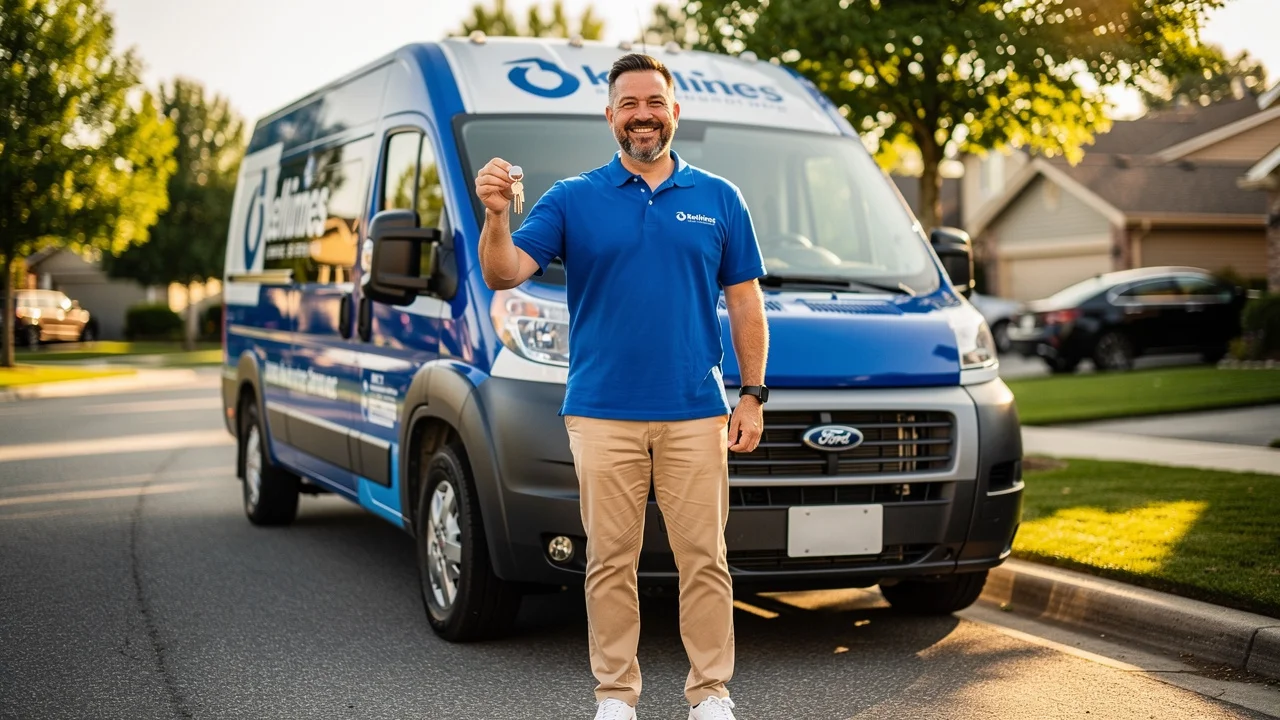
Buying a franchise with no business experience can be a safe, structured way into UK business ownership. Instead of guessing, you follow a proven brand, detailed training, and steady support from both head office and fellow franchisees. Use Franchise Hunt to Explore, Compare, and Enquire, then speak with franchisors and existing owners. One well-researched decision can start a long-term change in your working life and give you control over your own business future.
"By failing to prepare, you are preparing to fail." - Benjamin Franklin
Good franchise training does exactly that: it prepares you so that, even as a beginner, you can run your business with growing confidence.